
Ministry Spotlights
In Ministry Spotlights, we ask experienced Quaker ministers to share advice for less experienced ministers.
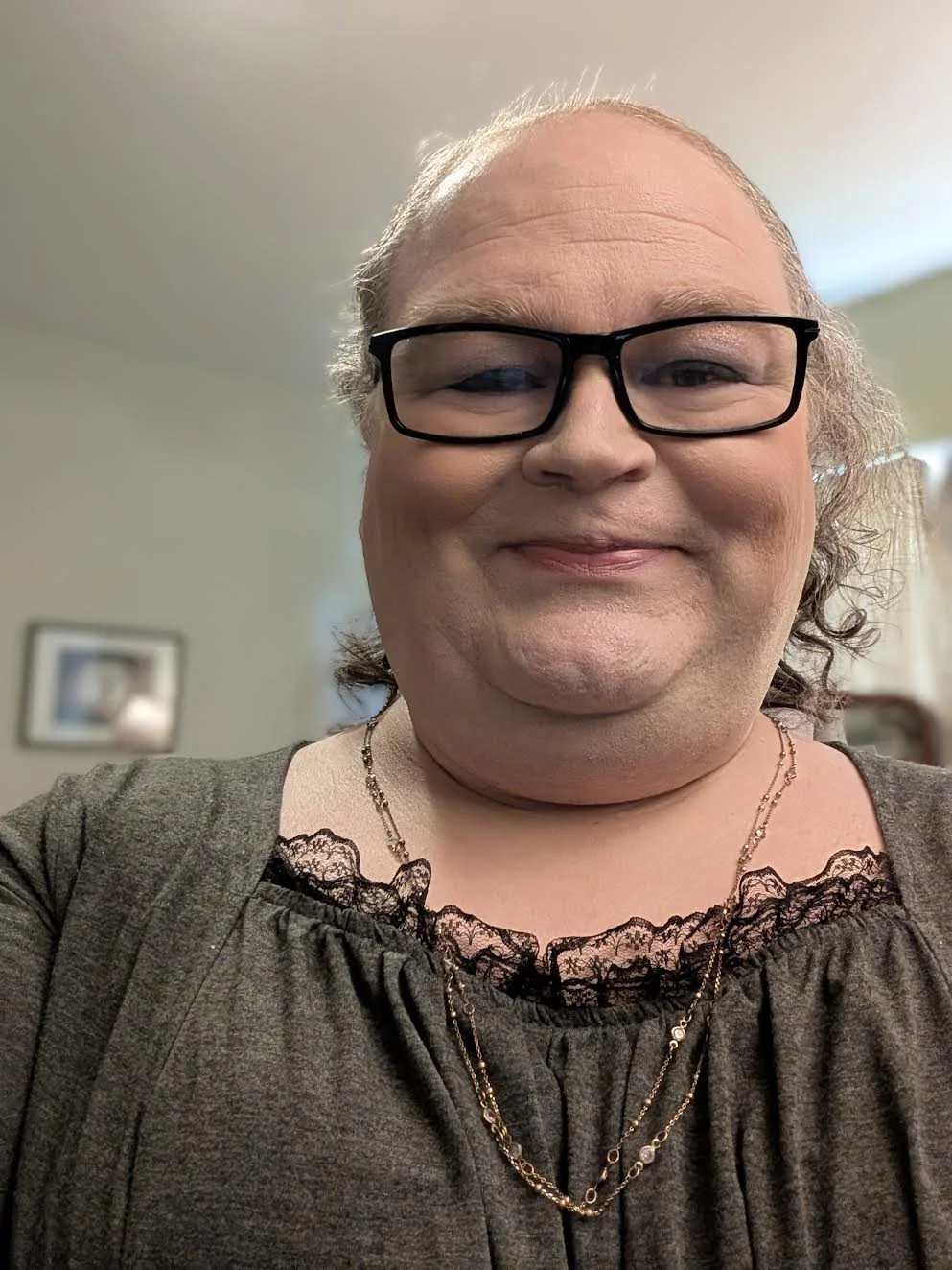
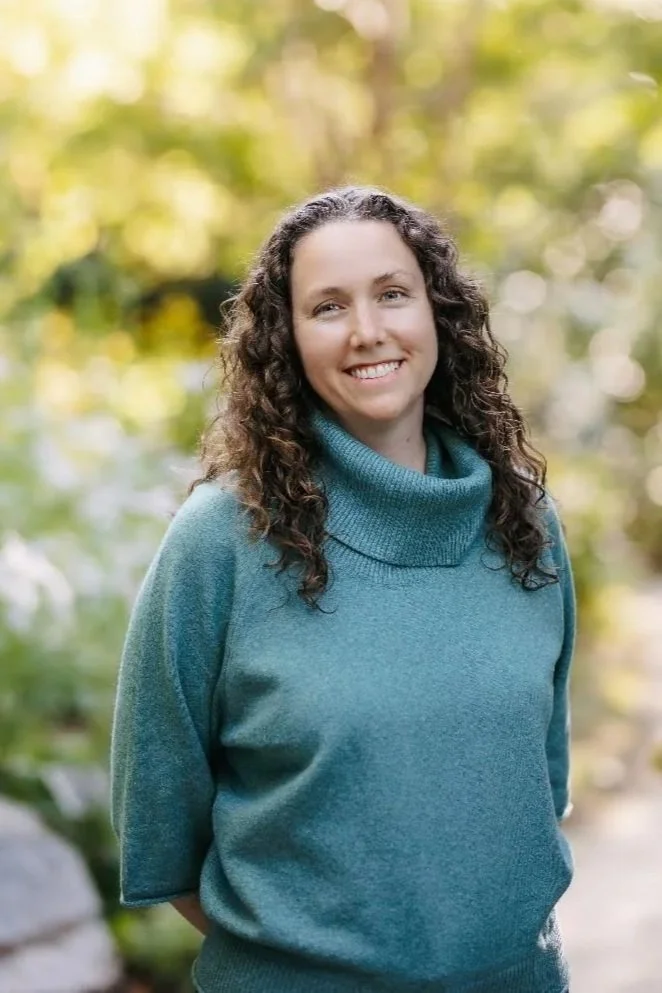
Gillian George
In many aspects of my life, I am a witness to the Quaker testimonies of equality and integrity because my existence challenges dominant narratives around gender. This witness means I need to make tough decisions about what I can participate in safely, especially as it relates to travel.
I continue writing poetry and have begun sharing some of my latest works on a YouTube channel, @Trans-formingPoetry. I was also privileged to participate in ‘Crafting the Epistle’ from the ‘Tending the Fire of Sacred Queerness’ Retreat held at Woolman Hill (Deerfield, MA).
I continue in my work as the Operations Manager for Friends World Committee for Consultation: Section of the Americas and, despite transition struggles, am able to continue serving that community well. The call to bridge the many cultural, theological, and other difficult marginalizations in our Quaker spaces is a deep part of who I am and a major part of why I remain in the work of FWCC.
As part of my transition, I have discovered communities centered around various parts of my identity and have been able to serve those communities as both a participant and host, extending welcome and belonging to many queer and neurodivergent folks whose lives are marked by belonging traumas.
One piece of advice for Quaker Ministers:
Practice saying "No" without attempting to explain yourself or "soften" it. Most of us in ministry tend to be people pleasers, and learning to say "No" is a vital life skill for ministry. Learning to say "No" now will save you a lot of pain and resentment later.
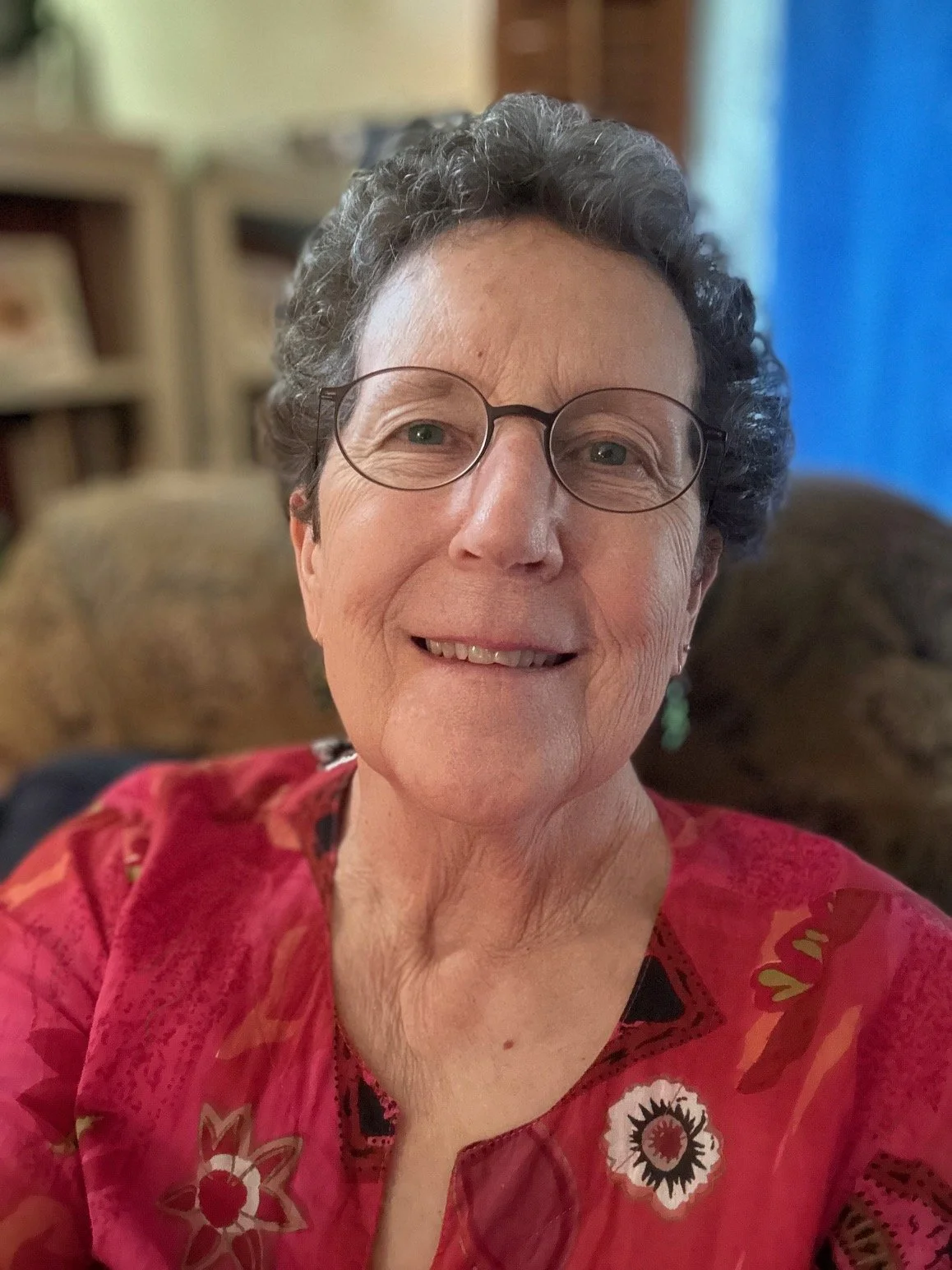
Deborah Shaw
Deborah’s ministry is:
Accompanying others on their spiritual journeys.
Validating physical manifestations of “Spirit poured on flesh.”
Listening in tongues and offering a compassionate, non-judgmental heart to others.
Practicing the presence of God with individuals, small groups, and through leading retreats and serving as an elder in various ways and settings.
Deborah advises that new Quaker ministers:
Bring your open heart and your whole self, body/mind/spirit, to every encounter.
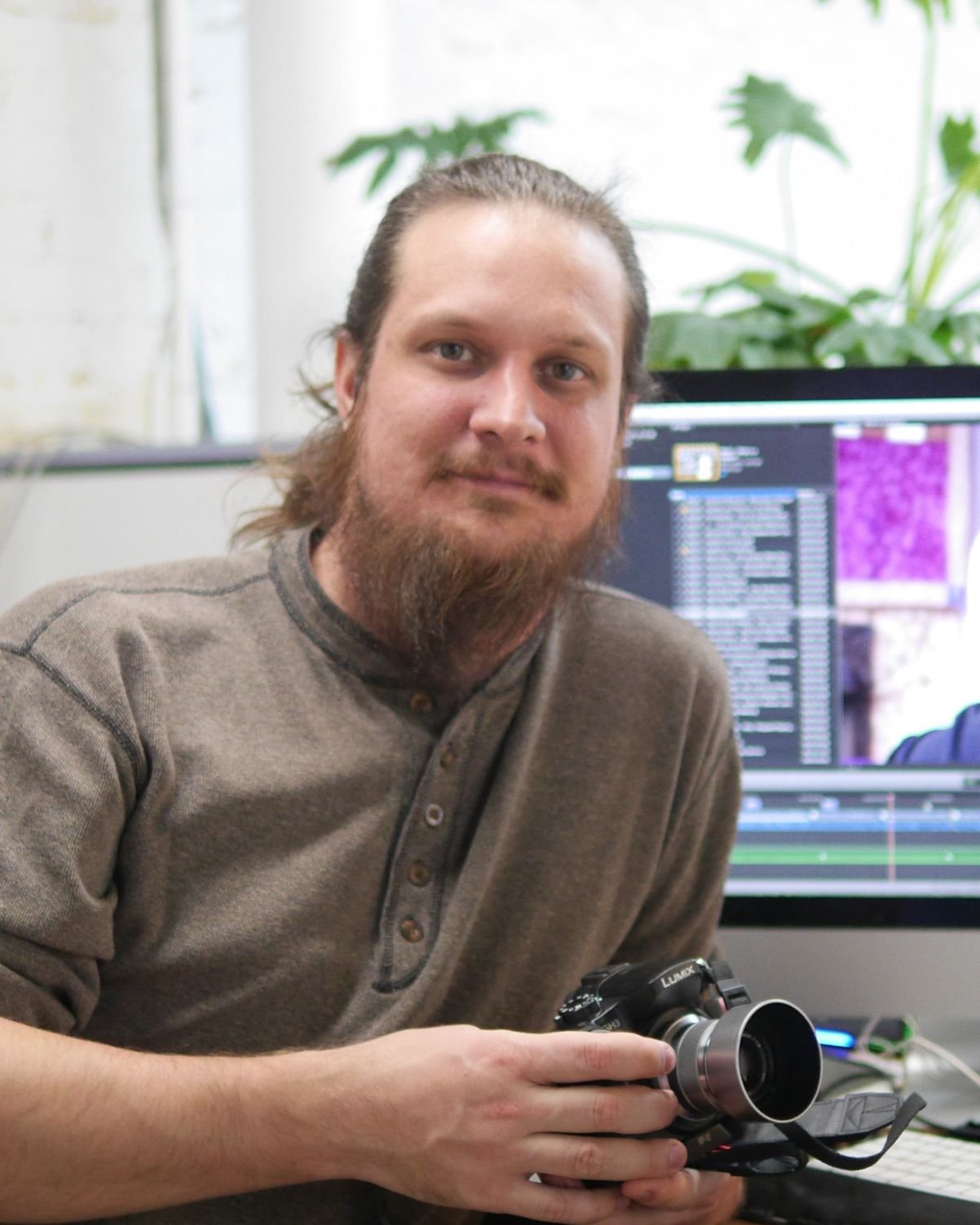
Jon Watts
My ministry has taken a number of different forms. I had a ministry of songwriting and performance for about a decade. Then I founded the QuakerSpeak YouTube channel and ran it for 6 years. At that time, my ministry was listening and interviewing. Now I run Thee Quaker Project, and my ministry is building a platform to increase the visibility of others' ministries. Each iteration of my vocation has had particular ways in which it felt like a "ministry" (and ways it didn't!), but the throughline is probably "faithful media creation".
My best advice for someone called into ministry is probably to find a Quaker community that knows how to properly do gifts and leadings. After wandering in the wilderness for a while, I now have a Meeting with the spiritual infrastructure that supports members called to ministry. It is a game-changer! I meet with my support and accountability group once a month, and they provide the grounding and focused spiritual support that I don't get elsewhere. This is very important as you embark on a new calling, especially one that might put you in the spotlight!

Ashley M. Wilcox
Ministry: Connecting & Supporting Ministers
My ministry has taken many forms over the years, including speaking, starting a church, writing a book, and founding Public Friends.
When I first started out, people would ask, “Is your ministry blogging? Or is it traveling ministry? Or organizing events?” All I could say was, “Yes.”
As I continued in ministry, themes emerged, especially connecting people from the different branches of Friends and supporting women in ministry.
Advice: Your Authority comes from God, and the world needs you to step into your Authority.
All ministry comes from the same Source, though the forms may change over time. Don't be afraid to try different things as you feel God leading you.
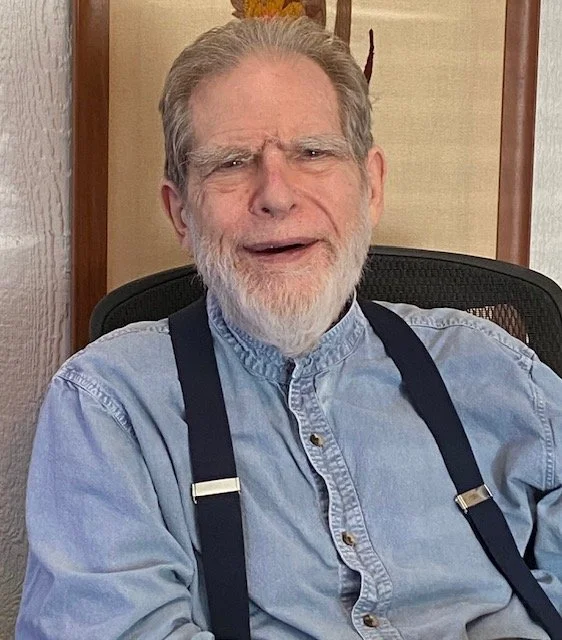
Lloyd Lee Wilson
I have been a “public Friend” for nearly five decades now, in one way or another. During all that time, I have been reluctant to name or claim any activity as “my” ministry. This hesitation has two roots: first, that naming some known activity(ies) as my ministry risks my not being open and attentive when the Holy Spirit is calling me to do something new; and second, that claiming some ministry as “mine” risks forgetting Whose ministry it really is. The One who calls us into ministry also gifts us, for the time, with the gifts and ability to accomplish the task being assigned.
If one asks retrospectively “what sorts of things has thee done in public ministry,” the answer would include serving as General Secretary of Friends General Conference and as director of the Friends Community Project in New England; serving as yearly meeting clerk and treasurer and clerk of multiple monthly meetings; writing three books of my own and chapters in several anthologies on various Quaker topics, as well as numerous pamphlets and magazine articles; and leading numerous Quaker workshops, retreats and other gatherings across the country. I’ve traveled extensively across the USA and Canada, both in the old style under a travel minute issued by my monthly meeting and endorsed by my yearly meeting, and in the newer “invitational ministry” style of being invited to visit a particular group of Friends in a particular way (to give a lecture, offer a workshop, etc.) - also under the authority and accountability of a travel minute. For years, as I left home on any of these occasions, my wife, Susan, has admonished me, “Remember, thee has no idea why thee is going there.”
Don't be afraid to fail.
There is much more to be learned about the gospel ministry from one apparent failure than from multiple apparent successes. Spend time with thy failures, trying to understand how thee could have better discerned whether this was thy task to take on, how thee could have been even more faithful in thy calling, in recognizing what thee might have done differently.
I am fully persuaded that God does not count our failures, but rejoices in our repeated efforts to be faithful, to be an effective tool in God’s hands.
Emily Stewart
“Even a wounded world is feeding us. Even a wounded world holds us, giving us moments of wonder and joy. I choose joy over despair. Not because I have my head in the sand, but because joy is what the earth gives me daily and I must return the gift.” ―Robin Wall Kimmerer
My ministry is all about connection.
The “imperialist white-supremacist capitalist patriarchy” (to quote bell hooks) teaches us to disconnect from our own experiential knowing of our relationship to ourselves, each other, and all of life.
My ministry is to re-connect people to their own bodies, to one another and community, to the Earth and to Spirit.
It is an invitation back into healing, accompaniment and collective care.
I hold space for people to:
Listen to the wisdom of their body, to the small voice within, to Spirit moving in the collective.
Know that we are all inextricably connected–humans and more than humans–and that our individual and collective healing and liberation are woven together.
Support the body slowing down, softening, and expanding in chaotic, quickening, and constricting spaces.
Cultivate wonder and joy that exists even in the midst of challenging times.
Center equity, justice, integrity, and truth-telling through politicized somatics and seeing how oppression impacts our individual and collective body.
Practice embodied parenthood with tenderness, compassion, forgiveness and love.
Navigate the climate crisis by staying connected to ones’ body and finding support in the land and wider community.
I also practice eco-somatics to experience how my body is in relationships with the changing cycles and seasons of nature. I walk daily on the same path to listen to the land and learn what it means to be an intimate, active steward of this community, and to foster a felt sense of belonging to home–my body, this place, each other and Spirit.
Advice for Quaker ministers:
Stay connected to your center and what you most care about as you walk in the world. Practice being fully in your body–noticing emotions, sensations, intuition, and clarity–and listening for when it's time to speak up or sit down. It’s not about what’s comfortable but about being present to how you are showing up in different spaces–how your nervous system is activated or regulated–and how that impacts the way you are present, connected, and experiencing how Spirit might be moving. Practice loving accountability, being in relationship with all of life, and learning how to grieve, be joyful, and apologize.
Do you want to be featured in our ministry spotlights?
Check out the Google form at https://l1nk.dev/z8yttjh